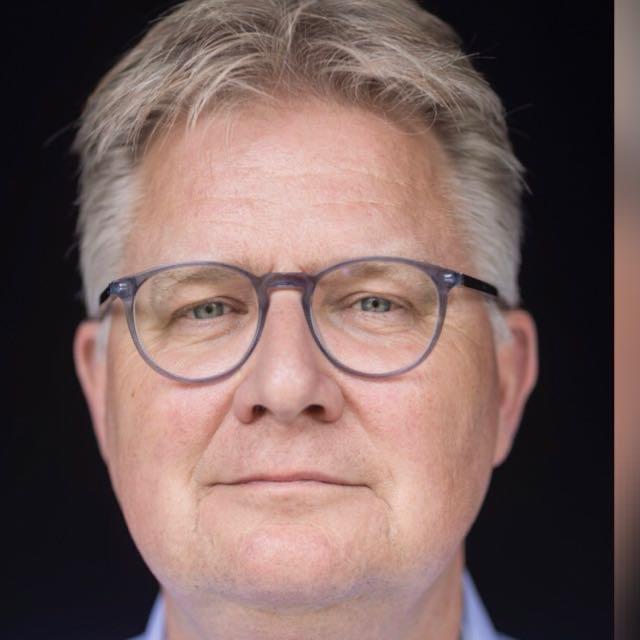
We had the joy to talk with Marc Pesch, Major Gifts Officer and Legacy Manager at Stichting Vluchteling (Netherlands Refugee Foundation) about his experiences in legacy fundraising relationship management.
legacygiving.eu: How did you end up working in legacy fundraising?
Marc Pesch: I have been working at Stichting Vluchteling since 2018 as a relationship manager for major donors and foundations. Initially, legacy giving was not part of my portfolio, but two years in, a colleague left, and due to understaffing, the responsibility fell to me. My first thought was: ‘Given my already full portfolio, do I even have the capacity to take this on?’ That was until fundraising consultant Lena Vizy pointed out that this is actually one of the most rewarding aspects of the profession. And she was right. Together with Legacy Futures, we developed a professional proposition to establish a solid approach to legacy fundraising. The portfolio eventually grew so significantly that we had to hire an additional colleague. At that point, I actually found it difficult to hand over the portfolio—I had become so attached to the personal connections and the remarkable stories shared by those who chose to leave a bequest.
legacygiving.eu: How do major gift fundraising and legacy fundraising relate to one another?
Marc Pesch: These two worlds are incredibly close and constantly reinforce each other. Someone who makes major gifts during their lifetime is often also inclined to include a charity in their will. Conversely, there are people who may give very modest amounts while alive, but leave a substantial sum upon their passing—for instance, from the equity in their home. At its core, you aren’t just a ‘hard-nosed’ fundraiser; you are a relationship manager. If you invest in genuine, long-lasting relationships, these two worlds naturally come together.
legacygiving.eu: How do you put this relationship management into practice? Marc Pesch: A good example involves an elderly donor who wanted to sell his house immediately to free up funds for us and two other heirs. While a purely transaction-oriented fundraiser might have said ‘yes’ right away, I was completely honest with him: ‘I think that’s a bad idea.’ You should only move if your home has become too large, if you can no longer manage the stairs, or simply because you want a more comfortable life—not because we, as an organization, happen to need money right now. He was incredibly surprised by this honesty; he told me I was the first person to ever say such a thing to him. Because the donor’s well-being was prioritized, a deep bond of trust was formed. That same evening, he called and spontaneously donated an additional €10,000—while still keeping the foundation in his will. To me, that is the essence of ‘friend-raising.’
legacygiving.eu: What makes a conversation about legacy giving successful?
Marc Pesch: The most important thing is that the other person feels at ease, and that you are willing to separate your organization’s interests from the donor’s personal situation. You should act as a trusted advisor and conversation partner—not as someone trying to extract a bequest from their pocket. When you genuinely think along with them and dare to show vulnerability, it creates real space for a meaningful dialogue. Calmness, humor, self-reflection, and empathy are indispensable here.
legacygiving.eu: What role do speed and agility play in this?
Marc Pesch: A crucial role. If I’m on vacation and see an email from a donor mentioning that they are about to visit a notary, I call them immediately. Investing ten minutes can yield tens of thousands of euros for the organization, but more importantly, it gives the donor the feeling that they are being heard at a moment that truly matters to them. Our donors consciously choose Stichting Vluchteling (Refugee Foundation) because we are a small, agile emergency relief organization, free from excessive bureaucratic layers. They see global crises in the news every day and want their contributions to have an immediate impact. For every euro we receive, 85 cents goes directly toward emergency aid. This transparency, agility, and speed provide the essential foundation for legacy giving.
legacygiving.eu: What is your most important piece of advice for new fundraisers?
Marc Pesch: The biggest mistake is being too hasty and viewing bequests as a quick “win.” Securing legacies is not about hard selling; it requires patience, a gentle approach, and long-term thinking. The younger generation can sometimes be in a rush, but in this field, you need to be able to slow down. Always put the person first, offer practical and organizational support, and never stop asking yourself: “How would I feel if someone approached me this way?” Ultimately, it all comes down to self-reflection and a genuine interest in other people.
Interview Elly Lont, nov. 2026
